

Even though breastfeeding is natural, it doesn’t always come naturally. It can be challenging.
In addition to learning how to be a mom, you’re learning how to feed your new baby.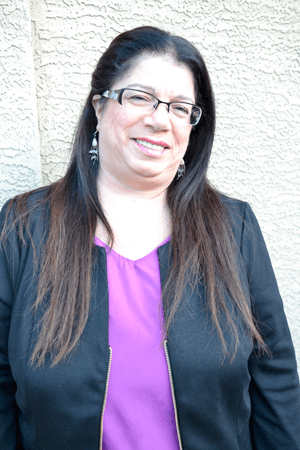
- Lori Jill Isenstadt, IBCLC, RLC, CCE, CBD –
- International Board Certified Lactation Consultant
- Registered Lactation Consultant
- Certified Childbirth Educator
- Certified Birth Doula
- Postpartum Doula
- Lori Jill Isenstadt, IBCLC, RLC, CCE, CBD –
- International Board Certified Lactation Consultant
- Registered Lactation Consultant
- Certified Childbirth Educator
- Certified Birth Doula
- Postpartum Doula
- Lori Jill Isenstadt, IBCLC, RLC, CCE, CBD –
- International Board Certified Lactation Consultant
- Registered Lactation Consultant
- Certified Childbirth Educator
- Certified Birth Doula
- Postpartum Doula
I am now Retired and not taking any more consults
Hi, I’m Lori Isenstadt, an International Board Certified Lactation Consultant (IBCLC), mother of three breastfed babies, and passionate supporter of breastfeeding families.
My journey into maternal health began after struggling with breastfeeding my first baby. The pain, anxiety, and isolation I experienced shaped my mission: to ensure other families don’t have to go through it alone. I started as a childbirth educator, then became a birth and postpartum doula, and eventually pursued my dream of becoming a lactation consultant.
For over 27 years, I’ve had the privilege of helping thousands of families prepare for breastfeeding and overcome common (and not-so-common) challenges. Through my private practice, All About Breastfeeding, I offer personalized support via home visits and virtual consultations across Phoenix and beyond. I also created a popular online breastfeeding class to help parents feel more confident and informed—wherever they are.
I’m also the host of All About Breastfeeding, a podcast created to share real stories, expert interviews, and practical breastfeeding support. Though it’s no longer in production, a curated selection of episodes is still available to support and inspire new families.
In addition to working one-on-one with families, I’m an international speaker, author, and longtime educator. Now that my own kids are grown, I’ve dedicated my time fully to supporting new parents—like you—during one of the most transformative times of life.
Frequently Asked Questions
1. When should I start breastfeeding my newborn?
Ideally, you should initiate breastfeeding within the first hour after birth. If not within the first hour, sometime within the first 6 hours is recommended. Early skin-to-skin contact and feeding help establish milk supply, promote bonding, and encourage a proper latch.
2. How do I know if my baby is getting enough milk?
Signs of adequate intake include:
-
At least 6–8 wet diapers per day after day three
-
Regular weight gain (as monitored by your pediatrician)
-
Consistent, content behavior after feeds (not constantly fussy)
-
Audible swallowing during nursing sessions
3. Why does breastfeeding sometimes feel painful, and what can I do?
A little discomfort can occur initially; however persistent pain and nipple trauma often indicates the need for professional guidance to help determine exact cause of pain. Common solutions include:
-
Ensuring baby achieves a good deep latch.
-
Trying different holds (e.g., football hold, cross-cradle) for better alignment
-
Seeking guidance from a certified lactation consultant to assess latch and tongue function
4. Can I breastfeed if I have flat or inverted nipples?
Yes. Many mothers with flat or inverted nipples successfully breastfeed. Techniques that can help include:
-
Using a nipple shield temporarily to draw out the nipple
-
Applying gentle breast massage or manual nipple stimulation before feeding
-
Working with a lactation consultant to ensure proper latch techniques
5. What should I do if my milk supply feels low?
Low milk supply has many causes. The most common reasons are inefficient or infrequent milk removal. Ways to boost production:
-
Nurse or pump at least 8 times in 24 hours to help increase supply
-
Ensure baby is effectively removing the milk (watch for swallowing)
-
Stay hydrated, maintain balanced nutrition, and rest as much as possible
6. Do you offer virtual (online) breastfeeding consultations?
Yes. We provide both in-person and virtual sessions. During a virtual consult, your consultant will:
-
Observe your baby’s latch and positioning via video
-
Offer real-time feedback on hold adjustments
-
Provide personalized feeding plans and follow-up recommendations
7. How long do breastfeeding consultations typically last, and what can I expect?
-
Initial Consultation (60–75 minutes): Comprehensive assessment of latch, positioning, feeding history, and any concerns. You’ll receive a tailored plan, demonstrations, and Q&A.
-
Follow-Up Sessions (60 minutes): Progress check, adjustments to feeding plan, and answer all your breastfeeding questions.
8. Can breastfeeding support help working mothers?
Yes. Our consultants specialize in creating pumping schedules, offering tips for maintaining supply while away from baby, and advising on safe milk storage. We’ll:
-
Develop a realistic pump-at-work plan, considering your work hours and breaks
-
Educate on storing, transporting, and reheating breast milk safely
-
Provide resources for discussing pumping needs with employers
9. Do you support babies with tongue-tie or other feeding difficulties?
Yes, an evaluation is performed to determine what, if any feeding difficulties you are experiencing, including a tongue tie evaluation. You will be given a referral to the appropriate provider, when applicable.
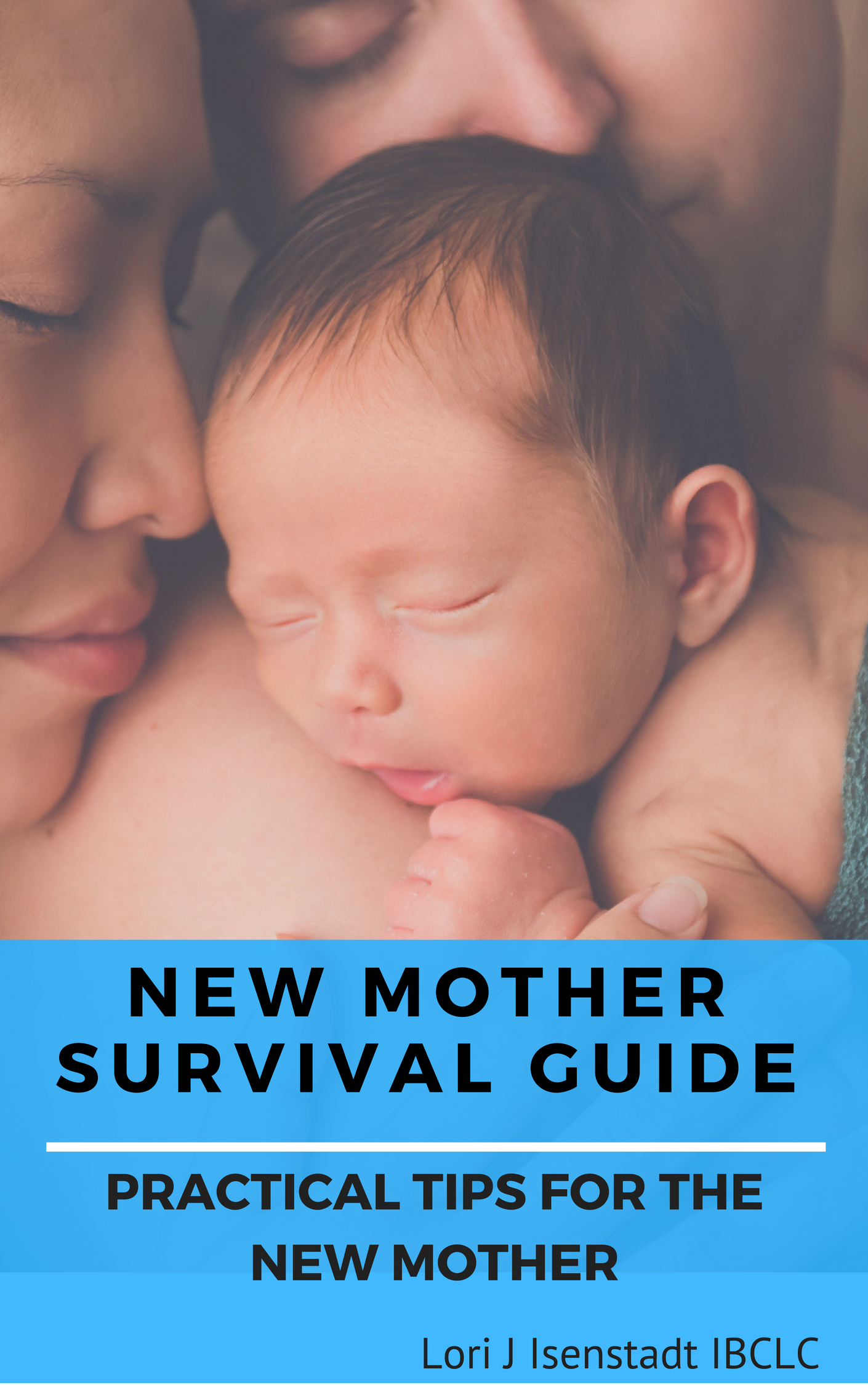
This book is filled with helpful tools that help you to prepare for new motherhood.
- Tips to keep your household running smoothly
- Affordable ways to hire postpartum help
- Building a support network before you give birth
- Easy to read & easy to implement